Why Your Dunwoody Home Water Suddenly Smells Like Chlorine
Your tap water smells like a swimming pool and you’re wondering if something’s wrong. That strong chlorine odor in your Dunwoody home isn’t a plumbing emergency but it is a sign that Atlanta’s water treatment system is working overtime to keep your water safe. Atlanta Department of Watershed Management.
The Atlanta Department of Watershed Management uses chlorine to disinfect water from the Chattahoochee River before it reaches your home. When chlorine levels spike or interact with organic matter in your pipes you get that unmistakable swimming pool smell. This happens most often during seasonal maintenance when utilities perform what’s called “chlorine burn” to clean out the distribution system. EPA National Primary Drinking Water Regulations.
Before you panic about drinking chlorinated water know that the EPA sets strict limits on how much chlorine can remain in your tap water. The Maximum Residual Disinfectant Level is 4 parts per million which is safe for consumption but can definitely make your water taste and smell unpleasant.
Is Chlorine in Your Drinking Water Actually Safe
Chlorine has protected public water supplies since the early 1900s by killing harmful bacteria and viruses. The EPA’s Maximum Contaminant Level Goal for chlorine is 4 mg/L which is the level below which there is no known or expected health risk.
The smell you notice typically means chlorine levels are at the higher end of the acceptable range or that your home’s plumbing is creating conditions where chlorine becomes more noticeable. Some people are more sensitive to chlorine odors than others especially those with asthma or chemical sensitivities. Plumbing Decatur.
Long-term exposure to chlorinated water has been studied for potential links to certain health concerns but the EPA maintains that water meeting these standards is safe to drink. The bigger issue is often the taste and smell making you less likely to stay hydrated.
Common Reasons for Chlorine Odor in Atlanta Homes
Atlanta’s water treatment system faces unique challenges. The Chattahoochee River water picks up organic matter as it flows which reacts with chlorine to create that strong smell. During Georgia’s hot summers water temperatures rise causing chlorine to dissipate faster which treatment plants compensate for by adding more.
Your home’s proximity to water treatment facilities matters. Homes closer to plants like the Hemphill Water Treatment Plant often experience stronger chlorine odors because the water hasn’t had time to dissipate through the distribution system.
Seasonal maintenance is a major culprit. Every few years Atlanta performs chlorine burns where they temporarily increase chlorine levels throughout the system to flush out biofilm and buildup in pipes. These events can make your water smell like a pool for days or weeks.
Older galvanized pipes in Dunwoody’s mid-century homes can react with chlorine creating stronger odors. The iron in these pipes interacts with chlorine creating compounds that smell worse than chlorine alone.
Chlorine vs. Chloramines What’s Actually in Your Pipes
Many people don’t realize that Atlanta primarily uses chloramines not pure chlorine for water treatment. Chloramines are created by combining chlorine with ammonia and they last longer in the distribution system than free chlorine.
Chloramines produce less of that sharp swimming pool smell but can still create noticeable odors especially when water sits in pipes or when you first turn on the tap after hours of stagnation. The ammonia component can also react with rubber gaskets and seals in your plumbing creating additional chemical smells. Plumbing Roswell.
The switch to chloramines helps Atlanta maintain disinfectant levels throughout its extensive pipe network but it means your water chemistry is more complex than you might think. Chloramines are harder to remove than chlorine requiring specialized filtration rather than just letting water sit.
DIY Tests vs. Professional Water Quality Analysis
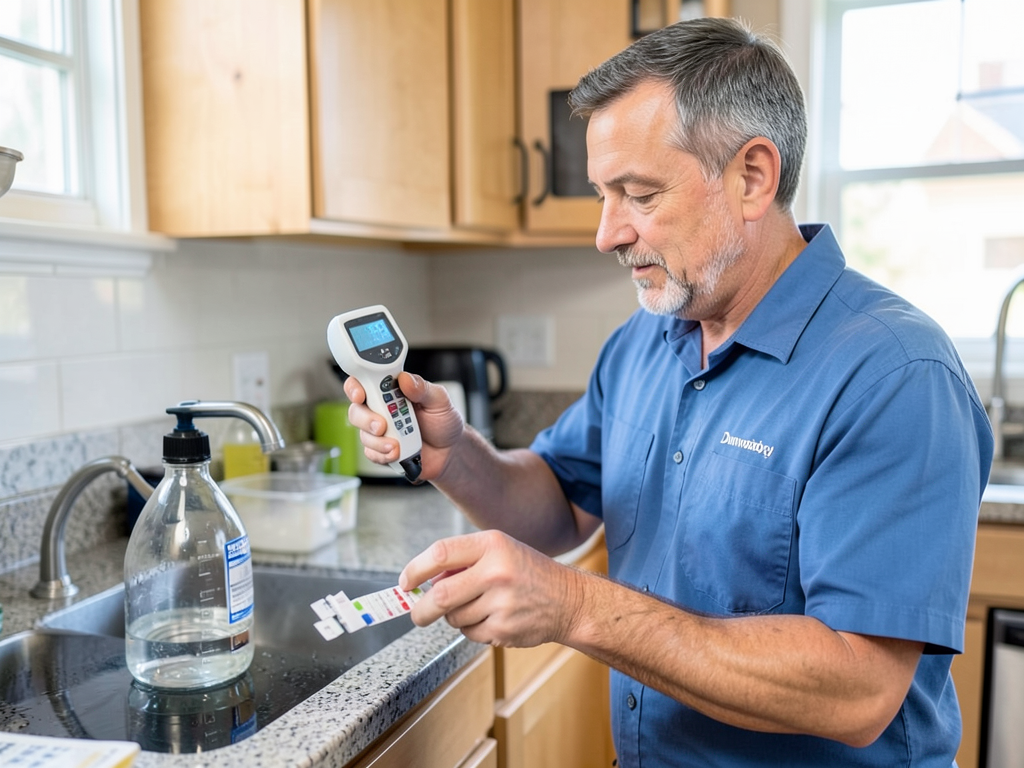
You can buy chlorine test strips at hardware stores but these only tell you if chlorine is present not why it smells so strong. Professional testing reveals the full picture including pH levels total dissolved solids and whether you’re dealing with chlorine or chloramines.
A professional plumber can perform what we call the “hot water test” where they check if the smell is stronger in hot water indicating reactions with your water heater’s anode rod. They can also test for cross-connections where plumbing issues might be concentrating chlorine odors. Plumbing Kennesaw.
Water quality reports from the Atlanta Department of Watershed Management show annual testing results but these don’t account for what happens after water leaves the treatment plant and travels through miles of pipes to reach your specific home.
Permanent Solutions for Chlorine Odor
Activated carbon filtration is the most effective solution for removing chlorine and chloramines from your water. These filters work through adsorption where contaminants stick to the carbon surface rather than passing through.
Point-of-use filters under your kitchen sink work well for drinking water but won’t help with chlorine you absorb through your skin during showers. Whole-house carbon filtration systems installed at your main water line remove chlorine from every tap in your home.
Reverse osmosis systems provide even more comprehensive filtration removing chlorine along with lead arsenic and other contaminants. These systems typically include a carbon pre-filter specifically for chlorine removal before water passes through the RO membrane.
Water conditioners can help if your chlorine problem is combined with hard water issues common in North Atlanta. These systems address multiple water quality problems simultaneously reducing both chlorine taste and mineral buildup.
When to Call a Plumber About Chlorine Smell
Call a professional if the chlorine smell is accompanied by other symptoms like discolored water low pressure or if the odor suddenly becomes much stronger than usual. These could indicate plumbing issues beyond normal water treatment.
Older homes with galvanized pipes might need inspection if chlorine odors persist after installing filtration. Corroded pipes can create chemical reactions that make odors worse and may need replacement.
If you’re on a well system but still smell chlorine you might have a malfunctioning backflow preventer or cross-connection with municipal water. This requires immediate professional attention to prevent contamination.
Commercial properties in Dunwoody should be particularly vigilant about chlorine odors as they can indicate issues with larger plumbing systems that affect multiple tenants or customers.
Protecting Your Family from Chlorine Exposure
While chlorinated water is safe to drink according to EPA standards many families choose to filter it for taste and peace of mind. Children and people with chemical sensitivities may be more affected by chlorine exposure through both drinking and showering.
Shower filters can reduce chlorine you inhale as steam and absorb through your skin. Since warm water opens your pores absorption rates increase significantly compared to drinking cold water.
Boiling water removes chlorine but not chloramines and it’s impractical for everyday use. Filtration provides continuous protection without the hassle of boiling every glass of water.
Consider testing your water if you notice skin irritation or if family members complain about the taste. Sometimes what seems like a minor annoyance can indicate bigger water quality issues developing in your home’s plumbing system.
Understanding Atlanta’s Water Treatment Process
The Atlanta Department of Watershed Management draws water from the Chattahoochee River treats it at facilities like Hemphill and Morgan Falls then distributes it through an extensive pipe network. The entire process must meet EPA standards for safety and quality.
Georgia’s hot climate creates unique challenges for water treatment. Higher temperatures mean faster bacterial growth requiring more disinfectant and faster chemical reactions that can create stronger odors.
The system serves over 1.2 million people across Atlanta and surrounding counties making consistent water quality a massive logistical challenge. Seasonal variations in river quality affect treatment needs throughout the year.
Understanding that your chlorine smell is part of a larger public health system can help you make informed decisions about whether to filter your water or simply wait out seasonal treatment changes.
Cost Factors for Water Filtration Solutions
Point-of-use under-sink filters cost between $150-$500 plus installation while whole-house systems range from $800-$2,500 depending on your home’s size and water quality needs. Reverse osmosis systems add another $300-$600 to those costs.
Installation complexity varies by home. Homes with easy access to main water lines have lower installation costs than those requiring extensive plumbing modifications or working around finished basements common in Dunwoody’s newer construction. What to Do When Your Marietta Basement Starts Flooding.
Maintenance costs include annual filter replacements typically $50-$200 for point-of-use systems and $200-$400 for whole-house systems. Professional maintenance ensures filters work effectively and don’t become breeding grounds for bacteria.
Consider the long-term costs of not filtering. If chlorine smell drives you to buy bottled water you could spend $300-$600 annually which might offset filtration system costs within a few years.
Frequently Asked Questions
Why does my water smell like chlorine only in the morning?
Water sitting in pipes overnight allows chlorine to concentrate and react with pipe materials. Running water for 30 seconds usually clears this up but persistent morning odors suggest your home needs filtration.
Is chlorine smell worse in hot water?
Yes hot water accelerates chemical reactions and releases chlorine as vapor making it more noticeable. Your water heater’s anode rod can also react with chlorine creating additional odors specific to hot water lines.
How long does chlorine burn last in Atlanta?
Atlanta’s chlorine burns typically last 2-4 weeks during scheduled maintenance periods. The Department of Watershed Management notifies customers in advance but the timing varies by neighborhood and system needs.
Can I test my water for chlorine at home?
Yes you can buy chlorine test strips but they only show presence not concentration or cause. Professional testing provides comprehensive analysis including pH hardness and other factors affecting water quality and taste.
Will a water softener remove chlorine smell?
Standard water softeners don’t remove chlorine. You need activated carbon filtration either as a separate system or combined with softening in a hybrid unit designed for both functions.
Is chlorine in water harmful to pets?
EPA-approved chlorine levels are safe for pets but some animals are more sensitive to taste and smell than humans. Fish and aquarium animals are particularly vulnerable and require dechlorinated water.
Should I be worried about chlorine and cancer risk?
Current EPA standards are based on extensive research showing no significant cancer risk at approved levels. Some studies suggest potential long-term risks from disinfection byproducts but the agency maintains that benefits of disinfection outweigh these theoretical concerns.
Next Steps for Better Tasting Water
Start by testing your water to understand exactly what you’re dealing with. A simple test reveals whether you need basic carbon filtration or more comprehensive treatment for your Dunwoody home.
Consider your household’s specific needs. If you’re only concerned about drinking water a point-of-use system might suffice. If you want chlorine-free water for bathing cooking and drinking whole-house filtration makes more sense.
Don’t wait until chlorine smell becomes unbearable. Water quality issues often start subtly and worsen over time. Early intervention prevents bigger problems and ensures your family always has clean great-tasting water.
Ready to eliminate that swimming pool smell from your tap water? Call (770) 610-5522 today to schedule your water quality assessment. Our Dunwoody plumbing experts will test your water recommend the right filtration solution and have you enjoying fresh clean water within days. Don’t let chlorine odors ruin your drinking water any longer.