





Menu

Commercial Repiping Services in Atlanta – Minimize Downtime and Protect Your Business Operations

Expert commercial building repiping and industrial pipe replacement designed to keep your Atlanta business running while we upgrade your plumbing infrastructure to modern standards.

Slider Image 1
Slider Image 2
Slider Image 3
Slider Image 4
Slider Image 5
Slider Image 7
Slider Image 8
Slider Image 9
Slider Image 10
Slider Image 11

Aging Pipe Infrastructure Threatens Atlanta Commercial Properties

Your building's plumbing system fails when you can least afford it. Atlanta's aggressive water chemistry accelerates galvanized pipe corrosion. The chloramine disinfection system the city introduced in 2008 attacks copper and iron pipes faster than traditional chlorine. You see the evidence in pinhole leaks, pressure drops, and discolored water that disrupts operations.

The Midtown and Downtown commercial districts have buildings from the 1960s through 1980s that still run on original galvanized steel or early copper installations. These systems fail predictably once they reach 40 to 50 years. The expansion and contraction from Atlanta's temperature swings between humid summers and occasional hard freezes create stress points at joints and fittings.

Commercial pipe replacement becomes mandatory when multiple failures occur in quick succession. One leak in a server room or above merchandise inventory creates liability exposure. The cost of business interruption always exceeds the cost of planned industrial repiping services. Water damage claims from a burst supply line can close your doors for weeks while remediation companies tear out drywall and address mold growth.

You need commercial plumbing repipe services that acknowledge your operational constraints. Retail locations cannot close for two weeks. Medical facilities require uninterrupted water service. Restaurants lose revenue for every hour the kitchen goes offline. Business pipe replacement demands strategic planning around your revenue cycles and tenant obligations.

Elite Plumbing Atlanta structures commercial repiping projects to minimize impact. We phase the work by zones, maintain temporary water service to critical areas, and schedule disruptive tasks during your lowest traffic periods.

Aging Pipe Infrastructure Threatens Atlanta Commercial Properties
Strategic Commercial Building Repiping That Protects Your Bottom Line

Strategic Commercial Building Repiping That Protects Your Bottom Line

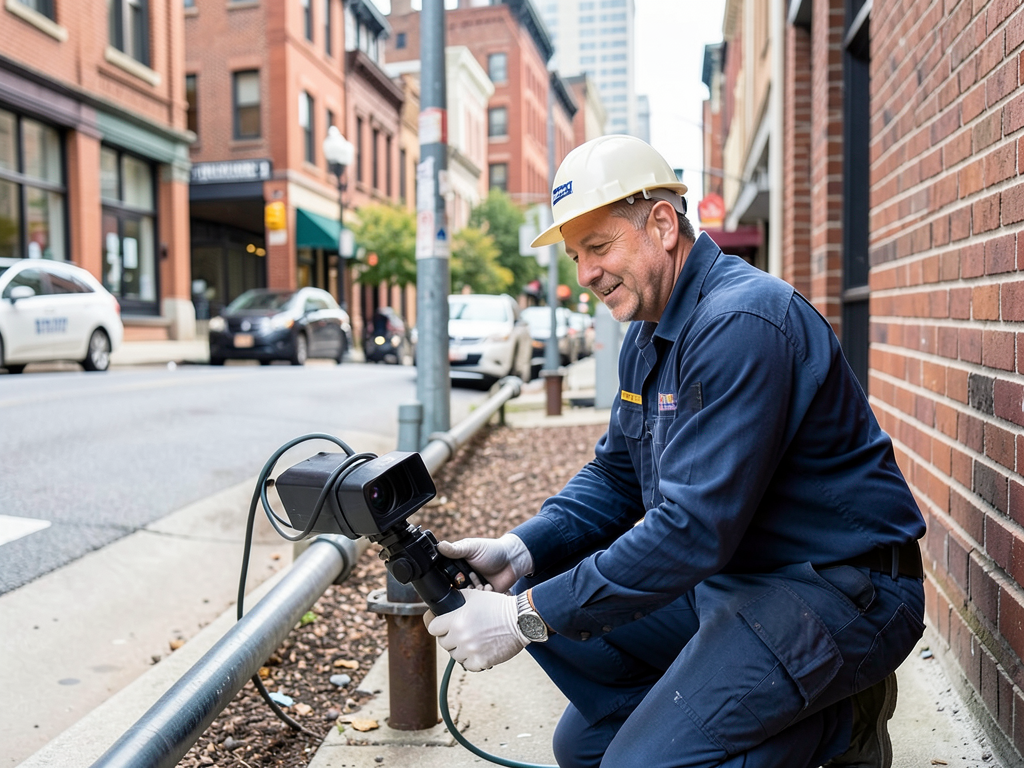
Commercial plumbing repipe projects require engineering precision. We start with a complete infrastructure audit using camera inspection equipment and ultrasonic thickness testing. This diagnostic phase identifies which pipe sections have reached end of life and which segments can remain in service. The data determines whether you need a full building repipe or targeted replacement of the worst sections.

Material selection depends on your water chemistry and usage patterns. Type L copper provides reliability for most applications. PEX manifold systems reduce joints and labor costs for tenant improvement areas. Chlorinated polyvinyl chloride (CPVC) works for budget-conscious projects with moderate pressure requirements. Stainless steel handles corrosive conditions in manufacturing facilities or commercial kitchens.

We coordinate with mechanical contractors when HVAC systems tie into your domestic water supply. Fire sprinkler systems require separate evaluation and planning. The sequencing matters because cutting into active lines triggers backflow testing requirements and temporary shutdown notices that must comply with Atlanta building codes.

Our industrial repiping services include pressure testing at 150 PSI for one hour minimum before we close walls. Every joint gets documented with photographs and location mapping. You receive as-built drawings that show exact pipe routing, valve locations, and shutoff points. This documentation becomes critical for future maintenance and tenant buildouts.

We handle the permit process through the City of Atlanta Department of Watershed Management. Commercial pipe replacement over certain thresholds requires engineered drawings and licensed plumber oversight. The inspection schedule gets coordinated with your project timeline so we avoid delays waiting for inspector availability.

How Commercial Repiping Projects Move From Planning to Completion

Commercial Repiping Services in Atlanta – Minimize Downtime and Protect Your Business Operations
01

Site Assessment and Engineering

We map your existing plumbing infrastructure with camera inspection and pressure testing. The engineering team develops a phased replacement plan that maintains water service to priority areas. You receive a detailed scope document showing which pipe sections get replaced, material specifications, and a realistic timeline broken into operational phases. This planning phase determines whether nights and weekends become necessary or if daytime work remains feasible.
02

Phased Pipe Installation

We establish temporary water service to critical areas before cutting into main supply lines. Each zone gets completed before moving to the next section. Wall penetrations remain sealed at the end of each shift. We coordinate with property management to notify tenants 48 hours before any planned water interruption. The installation crew works within defined areas to contain dust and debris. Strategic scheduling allows restaurants to maintain lunch service and retail spaces to stay open during peak hours.
03

Testing and Documentation

Every new pipe section undergoes hydrostatic pressure testing before concealment. We flush the entire system to remove installation debris and verify water quality. The final inspection with the City of Atlanta confirms code compliance. You receive complete as-built drawings showing pipe routes, materials, valve locations, and shutoff points. This documentation package becomes part of your building records and helps future contractors understand your plumbing infrastructure without destructive investigation.

Why Atlanta Commercial Property Managers Choose Local Repiping Specialists

Atlanta's commercial plumbing regulations fall under the International Plumbing Code as adopted by the Georgia State Amendments. The City of Atlanta adds specific requirements for backflow prevention, water meter installations, and commercial fixture counts. A plumber unfamiliar with these local codes will fail inspection and delay your project.

Elite Plumbing Atlanta maintains active permits with the Department of Watershed Management. Our master plumbers know which inspectors cover which districts and how they interpret grey areas in the code. This familiarity prevents the rework that happens when out-of-town contractors misread local requirements.

We understand Atlanta's water pressure variations across different neighborhoods. Buildings in Buckhead experience higher static pressure than properties in Old Fourth Ward. The Medical Center area has different backflow requirements due to hospital proximity. These local conditions affect pipe sizing calculations and material selection.

Your business cannot afford learning curve mistakes. We have completed commercial building repiping projects in the Ponce City Market development, along the BeltLine commercial corridors, and in the industrial areas near Hartsfield-Jackson. We know how to work around occupied tenants and maintain operations during construction.

The relationships we have built with local suppliers mean we stock common commercial pipe materials and fittings. When a delivery gets delayed or specifications change mid-project, we source materials locally within hours instead of days. This supply chain advantage keeps your project on schedule.

Atlanta's competitive commercial real estate market demands that your building infrastructure supports tenant retention. Modern plumbing systems become a selling point when prospective tenants evaluate spaces. Updated repiping eliminates the liability exposure from old galvanized systems that could fail and damage tenant improvements.

What Your Commercial Repiping Project Includes

Project Timeline and Scheduling

Commercial building repiping timelines depend on square footage, pipe accessibility, and operational constraints. A single-story retail building with exposed ceiling pipes moves faster than a multi-story office with concealed plumbing in finished walls. We provide a detailed schedule showing which areas get worked on during which shifts. The phasing plan specifies when temporary water interruptions occur and how long they last. Most projects schedule disruptive work during nights and weekends to minimize business impact. You receive 48-hour advance notice before any planned shutdown. Our project manager maintains daily communication with your facility team to address scheduling conflicts before they cause delays.

Infrastructure Assessment and Planning

The assessment phase identifies which pipe sections require immediate replacement and which can remain in service. We use video camera inspection to examine pipe interiors for scale buildup, corrosion, and structural integrity. Ultrasonic thickness testing measures remaining wall strength in suspect areas. Water quality testing reveals if your chemistry requires special materials or treatment systems. The engineering report documents current conditions with photographs and video footage. You receive recommendations for full replacement versus targeted repairs based on remaining service life. This data-driven approach prevents you from spending money on pipes that still have useful life while identifying hidden failures waiting to happen.

Code-Compliant Installation Standards

Every installation meets or exceeds the International Plumbing Code as adopted by the State of Georgia and the City of Atlanta. We size pipes using fixture unit calculations that account for your actual usage patterns and future expansion plans. Backflow prevention devices get installed where required by cross-connection control regulations. Pressure reducing valves protect fixtures when static pressure exceeds 80 PSI. Pipe hangers and supports meet spacing requirements for the specific materials installed. Water hammer arrestors eliminate the pressure spikes that damage fixtures and fittings. The completed system undergoes pressure testing at 150 PSI minimum before concealment and receives final inspection approval from the City of Atlanta.

Post-Installation Support and Records

You receive complete as-built drawings showing pipe routes, materials, valve locations, and shutoff points. The documentation package includes material specifications, pressure test results, and inspection approvals. We photograph critical installations before wall closure so you have visual records of concealed plumbing. The maintenance guide explains your new system components and recommended service intervals. Our service department remains available for any adjustments needed during the first 90 days as you and your tenants adapt to the new infrastructure. We provide training for your maintenance staff on shutoff procedures and basic troubleshooting. This comprehensive handoff ensures your facilities team can manage the system effectively.

Frequently Asked Questions

You Have Questions,
We Have Answers

How much to repipe a 4000 sq ft house? +

Cost factors for a 4000 square foot property depend on scope, materials, and access difficulty. Commercial repiping projects require detailed assessment of existing infrastructure, number of fixtures, and code compliance needs specific to Atlanta jurisdictions. Pipe material choice impacts budget, whether you select copper, PEX, or CPVC. Multi-story buildings add complexity and labor hours. Expect variables like wall access, ceiling height, and coordination with business operations to affect your timeline and total investment. Request a site inspection and detailed estimate that accounts for your specific building configuration and operational requirements.

What does commercial plumbing mean? +

Commercial plumbing refers to systems designed for business facilities, including office buildings, retail spaces, restaurants, warehouses, and multi-tenant properties. These systems handle higher volume demands, more fixtures, and stricter code requirements than residential installations. Commercial work requires understanding backflow prevention, grease traps, ADA compliance, and commercial-grade fixtures. In Atlanta, commercial projects must meet IPC standards and local amendments specific to Fulton, DeKalb, or Cobb counties. The work demands coordination with property managers, minimizing tenant disruption, and ensuring business continuity during installations or repairs.

How much does it cost to repipe PEX pipes? +

PEX repiping costs vary based on property size, fixture count, and installation complexity. Commercial projects require assessment of supply lines, manifold systems, and connection points throughout your building. Atlanta's clay soil conditions may affect exposed piping in crawl spaces or basements. Labor represents the largest cost component, as technicians must route new lines while minimizing business disruption. Multi-story buildings require additional planning for vertical runs and pressure considerations. Material costs remain lower than copper, but proper installation demands certified technicians familiar with commercial PEX applications and local code requirements.

What does repiping include? +

Repiping replaces your water supply lines from the main connection through distribution to all fixtures. This includes removing old galvanized, copper, or failed piping and installing new supply lines throughout the building. The process covers hot and cold water distribution, connection points at fixtures, pressure testing, and wall patching where access was required. Commercial projects include coordination with building operations, phased installation to maintain business continuity, and final inspections. Atlanta code compliance requires proper permitting, backflow prevention devices where needed, and documentation for property records and tenant notifications.

What is the most expensive plumbing job? +

Main sewer line replacement under structures or through difficult terrain ranks among the costliest plumbing work. These projects require excavation, potential foundation work, and restoration of landscaping or hardscaping. Commercial properties face additional costs when work disrupts parking areas, requires traffic control, or needs coordination with city utilities. In Atlanta, clay soil conditions and mature tree root systems complicate excavation. Full building repiping for large commercial facilities also carries substantial costs due to fixture counts, multiple floors, and business continuity requirements during phased installations.

How much does it cost to plumb a 2000 square foot house? +

Plumbing costs for a 2000 square foot commercial space depend on fixture count, layout, and intended use. A simple office requires different infrastructure than a restaurant or medical facility. Commercial installations demand more robust systems, backflow prevention, and compliance with Atlanta building codes. The scope includes supply lines, drainage systems, fixture installations, and connections to municipal services. New construction offers easier access than retrofit projects. Cost factors include fixture quality, pipe materials, number of bathrooms, kitchen requirements, and whether the space needs specialized equipment like grease traps or medical gas lines.

Can a plumber make $100,000 a year? +

Licensed commercial plumbers in Atlanta can exceed six figures through specialization, experience, and business acumen. Master plumbers running their own operations or specializing in commercial projects achieve this income level. Factors include licensure level, years of experience, commercial certifications, and client relationships. Metro Atlanta's construction activity and aging infrastructure create consistent demand for qualified professionals. Commercial work pays premium rates due to complexity, code knowledge, and coordination requirements. However, income varies based on business structure, overhead costs, market positioning, and whether you operate as an employee or business owner.

Can you use PEX in commercial plumbing? +

PEX use in commercial applications depends on local code requirements and project specifications. Atlanta building codes permit PEX for certain commercial applications, but restrictions apply based on building type, occupancy classification, and exposure conditions. Commercial projects often require fire-rated assemblies where PEX may not be appropriate. Concealed installations in walls and ceilings are common, but exposed PEX in mechanical rooms may face limitations. Commercial specifications often default to copper or CPVC for liability reasons and longer performance history. Your project engineer and code officials determine acceptable materials based on your specific building use and construction type.

What's the highest level of plumber? +

Master plumber represents the highest licensure level in Georgia, requiring years of experience, examination, and demonstrated competency. This credential allows oversight of journeyman plumbers, permit pulling, and business operation. Specializations beyond licensure include medical gas certification, backflow prevention testing, and commercial project management credentials. In Atlanta's commercial sector, master plumbers with contractor licenses and specific trade certifications command premium positioning. Experience with high-rise buildings, industrial systems, or complex mechanical coordination adds professional distinction. Continuing education in code updates and emerging technologies maintains professional standing and competitive advantage.

Why don't insurance companies like PEX plumbing? +

Insurance concerns about PEX stem from early product failures, installation errors, and fitting defects that caused water damage claims. Older PEX systems used inferior fittings prone to failure. Some carriers remain cautious due to claim history, while others accept properly installed systems with quality fittings. Commercial properties face stricter scrutiny than residential. Atlanta insurers evaluate installation quality, fitting types, and installer qualifications. Properly installed PEX with brass or expansion fittings by certified technicians generally meets underwriting standards. Documentation of professional installation and code compliance helps address insurance requirements during policy applications or renewals.

How Atlanta Water Chemistry Accelerates Commercial Pipe Degradation

Atlanta's municipal water supply uses chloramine disinfection instead of traditional chlorine. The Department of Watershed Management switched to chloramines in 2008 to reduce disinfection byproducts. Chloramines create a more stable residual in distribution systems but accelerate corrosion in certain pipe materials. Galvanized steel pipes experience faster dezincification. Copper pipes develop pinhole leaks at higher rates. The combination of chloramines with Atlanta's moderately hard water (5 to 8 grains per gallon) creates conditions that shorten pipe service life. Commercial buildings that installed plumbing in the 1980s and 1990s now face replacement schedules 10 to 15 years earlier than originally projected. Industrial repiping services become necessary when the cumulative corrosion reaches critical mass.

The City of Atlanta requires licensed master plumbers to oversee commercial pipe replacement projects. The permit process through the Department of Watershed Management includes plan review, inspection schedules, and final approval documentation. Buildings in historic districts like Inman Park or Virginia-Highland face additional review from the Atlanta Urban Design Commission if exterior work affects building appearance. Commercial property owners need contractors who understand these layered approval processes. Elite Plumbing Atlanta maintains active permits and established relationships with city inspectors. We know which documentation the plan reviewers require and how to schedule inspections without delaying your project. This local expertise prevents the costly delays that happen when contractors unfamiliar with Atlanta's regulatory environment submit incomplete permit applications or fail inspections.
Plumbing Services in The Atlanta Area

Elite Plumbing is conveniently located to serve the greater Atlanta area. Whether you're looking to visit our office, need to understand our service radius, or simply want to know where we're based, our map provides a clear visual. We pride ourselves on being accessible to all our clients, ensuring prompt and efficient service delivery across the region for all your plumbing needs.

Address:
Elite Plumbing Atlanta, 434 Marietta St NW, Atlanta, GA, 30313

Additional Services We Offer

Our news updates

Latest Articles & News from The Blogs

Essential Plumbing Planning for New Pool Houses and Cabanas in Cumming Building a pool house or cabana in Cumming requires…

Essential Plumbing Planning for New Pool Houses and Cabanas in Cumming

Essential Plumbing Planning for New Pool Houses and Cabanas in Cumming Building a pool house or cabana in Cumming requires…

Why Building an Outdoor Shower is the Ultimate Upgrade for Your Scottdale Backyard

Why Building an Outdoor Shower is the Ultimate Upgrade for Your Scottdale Backyard Scottdale homeowners are discovering that outdoor showers…

Deciding Between Gas and Electric Water Heaters for Your New Lawrenceville Home

Deciding Between Gas and Electric Water Heaters for Your New Lawrenceville Home If you’re building or renovating in Lawrenceville, Georgia,…

Contact Us

Your building's plumbing infrastructure determines operational reliability. Call Elite Plumbing Atlanta at (770) 610-5522 to schedule a comprehensive pipe assessment. We provide detailed engineering reports and phased replacement plans that minimize business disruption.