Braided Steel vs Rubber—Which Supply Lines are Best for Your College Park Property?
Choosing the right supply line for your College Park home is more than a simple plumbing decision. It is a choice that can prevent thousands of dollars in water damage or leave your property vulnerable to sudden flooding. Rubber hoses have been the standard for decades but degrade faster in Atlanta’s humid climate. Braided stainless steel lines resist kinking and corrosion but cost more upfront. This guide breaks down the technical differences so you can make an informed choice before the next supply line fails. Plumbing Decatur.
Comparison at a Glance
| Material | Lifespan | Burst Pressure | Cost Range | Flexibility |
|---|---|---|---|---|
| Rubber | 5-7 years | 150-200 PSI | $5-10 | High |
| Braided Steel | 10-15 years | 300-500 PSI | $15-30 | Medium |
Rubber Hoses The Traditional Choice
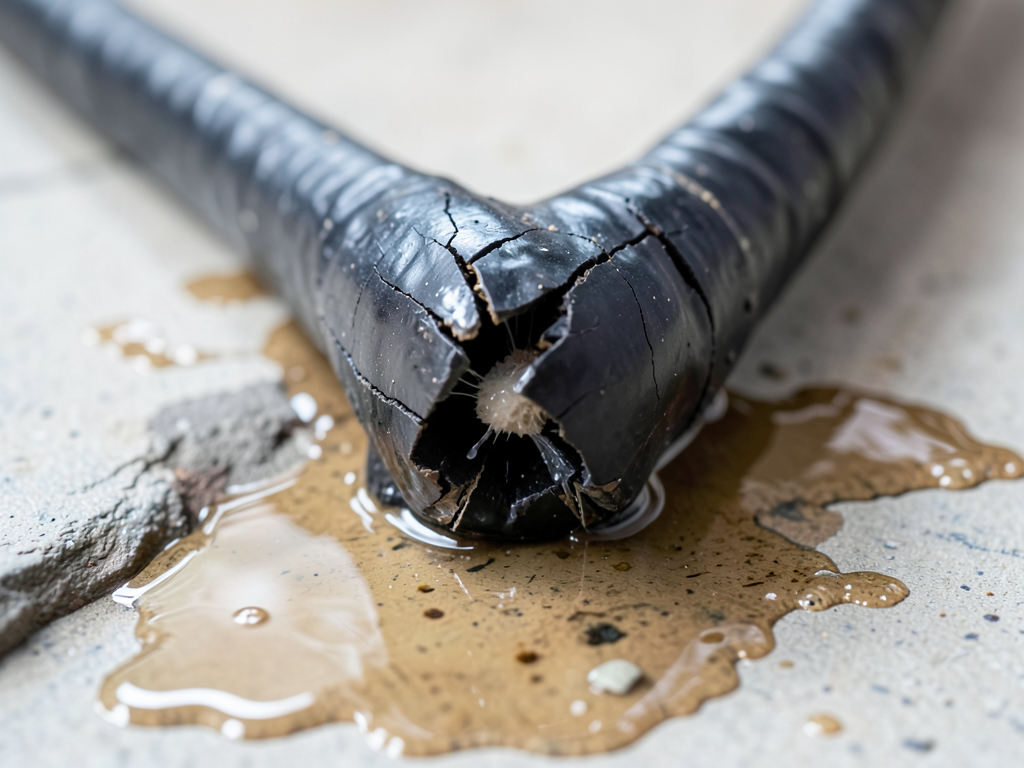
Rubber supply lines are the original go-to for washing machines, dishwashers, and toilets. They use an EPDM rubber inner core wrapped in a braided textile jacket. The low cost makes them attractive for quick replacements. However, rubber naturally degrades from heat, UV exposure, and Atlanta’s high humidity. Over time, the inner core can swell or crack, and the outer jacket frays. When rubber hoses fail, they often burst completely, sending pressurized water into your home until the main valve is shut off. Who to Call for an Emergency Pipe Burst in Buckhead.
The Atlanta Department of Watershed Management reports that most rubber failures occur between years five and seven. This timeline shortens if the hose runs through unconditioned spaces like attics or crawlspaces where temperature swings are extreme. The Georgia State Minimum Standard Plumbing Code requires shut-off valves for all fixture supply lines but does not mandate a specific material type. This leaves homeowners vulnerable if they stick with aging rubber. EPA WaterSense program.
Braided Stainless Steel Hoses The Modern Standard
Braided stainless steel hoses use a reinforced EPDM or PVC inner tube surrounded by a stainless steel mesh. The steel braiding provides resistance to bursting and kinking. A common grade used is 304 stainless steel, which resists corrosion from Atlanta’s hard water and the acidic red clay soil found in DeKalb County. These hoses typically handle 300 to 500 PSI, more than double the burst pressure of standard rubber. The Best Way to Handle a Gas Line Leak in Smyrna.
Installation is straightforward but requires careful tightening to avoid crushing the inner tube. Over-tightening can cause the steel braiding to cut into the rubber core, leading to premature failure. A professional plumber uses a torque wrench to ensure proper seal without damage. The added cost of $15 to $30 per hose is offset by a longer lifespan and reduced flood risk. Many Atlanta homeowners view this as an insurance policy against catastrophic water damage.. Read more about Should You Install a Water Heater Insulation Blanket in Your Older Norcross Home?.
Why Atlanta Homeowners Should Choose Braided Steel
Atlanta’s water pressure fluctuates due to aging municipal infrastructure. Neighborhoods like College Park and East Point often experience pressure spikes above 80 PSI, which exceeds the safe operating range for rubber hoses. The Georgia Plumbing Code recommends pressure-reducing valves for homes with pressure over 80 PSI, but many older homes lack this protection. Braided steel lines handle these surges without failing. Georgia State Minimum Standard Plumbing Code.
Humidity in College Park accelerates rubber degradation. The constant moisture exposure causes the outer jacket to break down and the inner core to swell. In contrast, stainless steel resists external oxidation, especially when the grade is 304 or higher. The steel mesh also deters rodents, which sometimes chew through rubber lines in crawlspaces and attics.. Read more about Deciding Between Stainless Steel and Fireclay Kitchen Sinks for Your West Midtown Remodel.
Insurance companies in Georgia are increasingly aware of the flood risk from rubber hoses. Some adjusters recommend upgrading to braided steel as a preventative measure to avoid claim denials for water damage. While not yet a code requirement, the shift reflects growing recognition of braided steel’s superior reliability.
Maintenance and Replacement Cycles
Regardless of material, supply lines need regular inspection. Check for bulging, cracks, or corrosion every six months. The five-year rule applies to rubber hoses regardless of visible wear. Replace braided steel lines every ten years or sooner if you notice rust spots on the braiding or dampness around connections.
FloodStop automatic shut-off valves add another layer of protection. These devices detect leaks and cut off water supply within seconds. They work with both rubber and braided steel but are especially valuable in homes with upstairs laundry rooms where a burst hose can flood multiple floors before anyone notices.. Read more about Why Homes in Hilly Areas of Jonesboro Often Experience Fluctuating Water Pressure.
The EPA WaterSense program encourages water-efficient fixtures but does not regulate supply line materials. However, reducing the risk of catastrophic leaks aligns with broader water conservation goals by preventing waste from undetected flooding.
Professional Installation vs DIY
Replacing a supply line seems simple but improper installation is a common cause of failure. Over-tightening compression fittings can crack the inner tube. Under-tightening leads to slow leaks that worsen over time. A licensed plumber in College Park knows the correct torque specs for each fitting type and can test the connection under pressure before leaving the site.
DIYers often skip the pressure test, missing small leaks that become major problems later. Plumbers also check for correct shut-off valve operation and can recommend upgrades to pressure-reducing valves if needed. The cost of professional installation typically ranges from $50 to $100 per line, which includes parts and labor.
For homes with multiple fixtures, a whole-home supply line upgrade can cost $300 to $600 but provides peace of mind and insurance against sudden flooding. Many Atlanta plumbing companies offer free inspections to identify aging rubber lines and provide quotes for replacement. Plumbing Roswell.
Call (770) 610-5522 today to schedule your inspection. Don’t wait for the next rubber hose to burst and flood your College Park home.
Frequently Asked Questions
How long do braided steel supply lines last?
Braided steel lines typically last 10 to 15 years depending on water quality and pressure. Inspect them every six months for rust or corrosion.
Can I use rubber hoses if I replace them every five years?
Replacing rubber hoses every five years reduces risk but does not eliminate it. Atlanta’s high humidity and pressure spikes can cause failure before the five-year mark.
Are braided steel lines code compliant in Georgia?
Yes. The Georgia State Minimum Standard Plumbing Code allows both rubber and braided steel but does not require one over the other. Braided steel is widely accepted as the more durable option. Plumbing Kennesaw.
Do I need a plumber to replace supply lines?
While DIY replacement is possible, professional installation ensures proper torque and leak testing. This prevents the most common cause of supply line failure.
What is the cost difference between rubber and braided steel?
Rubber hoses cost $5 to $10 each. Braided steel costs $15 to $30 each. The higher upfront cost of steel is offset by longer lifespan and reduced flood risk.
Conclusion
Rubber supply lines are cheap but unreliable in Atlanta’s climate. Braided stainless steel offers superior burst pressure, corrosion resistance, and lifespan. For College Park homeowners, the choice is clear: braided steel protects your property from the most common cause of indoor flooding. Upgrade before the next hose fails and call (770) 610-5522 to schedule your inspection today.
You may also find this helpful. Stopping a Ghost Flushing Toilet in Your Buford Home without Replacing the Whole Tank.
You may also find this helpful. Choosing the Right Washing Machine Hoses to Prevent Floods in Your East Point Laundry Room.
You may also find this helpful. Adding a Utility Sink to Your Snellville Garage or Workshop (What You Need to Know).
You may also find this helpful. Why Your Attic HVAC Drain Line Might Be Leaking into Your Hapeville Ceiling.