
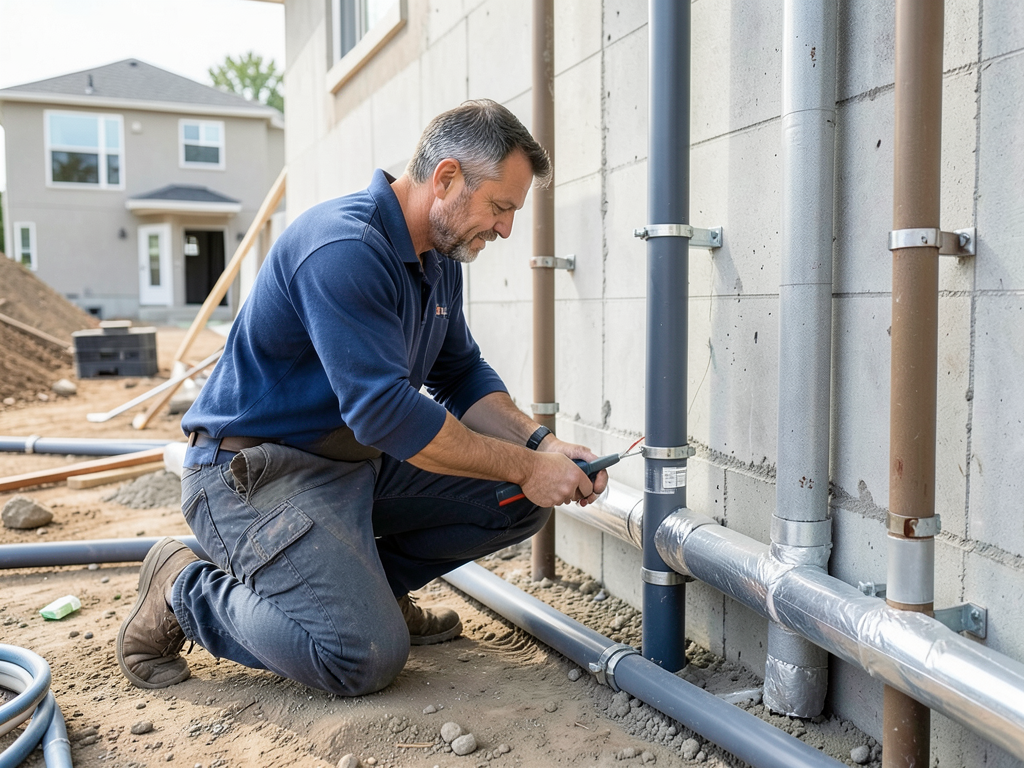
Plumbing Requirements for Building a New ADU or Guest Suite in Castleberry Hill
Building a detached guest house or accessory dwelling unit in Castleberry Hill requires navigating Atlanta’s specific plumbing codes, permit requirements, and technical installation standards. Before you break ground on your ADU project, understanding these requirements will save you time, money, and potential code violations. The City of Atlanta Department of Planning and Community Development has strict regulations for secondary structures, and the Georgia State Minimum Standard Plumbing Code governs every pipe, vent, and fixture installation. City of Atlanta Department of Planning.
Atlanta ADU Zoning Regulations and Legal Requirements
Castleberry Hill, located in the heart of Atlanta’s historic district, falls under specific zoning ordinances that affect ADU construction. The City of Atlanta Code of Ordinances Chapter 16 requires that any secondary dwelling unit meet minimum lot size requirements and maintain proper setbacks from property lines. For Castleberry Hill’s historic district, you’ll need additional approvals from the Urban Design Commission to ensure your ADU design complements the neighborhood’s architectural character.. Read more about How Gray Water Recycling Can Help You Maintain a Lush Garden in Palmetto.
Before planning your plumbing system, verify that your property meets Atlanta’s ADU criteria. The structure must be subordinate to the primary residence, cannot exceed 800 square feet, and must include a full kitchen and bathroom to qualify as a legal dwelling unit. Properties in Castleberry Hill often have unique challenges due to the area’s industrial heritage and mixed-use development patterns. Plumbing Decatur.
Georgia State Plumbing Code Essentials for ADUs
The Georgia State Minimum Standard Plumbing Code, based on the International Plumbing Code with state amendments, sets specific requirements for ADU plumbing installations. Section 305 of the code dictates fixture unit calculations, which determine pipe sizing for your guest house. A typical two-bedroom ADU with one bathroom requires approximately 10-12 fixture units, influencing your main drain line sizing and water supply calculations. Georgia State Plumbing Board.
Atlanta’s amendments to the state code include stricter backflow prevention requirements for properties in historic districts. Castleberry Hill’s older infrastructure means your plumber must install a reduced pressure principle backflow preventer if your ADU connects to the city’s water main. This device prevents contaminated water from flowing back into Atlanta’s municipal supply system.. Read more about Is an Instant Hot Water Dispenser Worth Adding to Your Piedmont Heights Kitchen?.
Sewer Line Connection Requirements and Capacity Testing
Connecting your ADU to the existing sewer system requires careful evaluation of your property’s current capacity. The Atlanta Department of Watershed Management mandates that all new connections undergo a sewer capacity test to ensure the main line can handle additional flow. Properties in Castleberry Hill often have aging clay sewer lines that may need reinforcement or replacement before supporting an additional dwelling unit. How to Deal with Main Sewer Line Clogs in Your Decatur Bungalow.
Fixture unit calculations determine if your current sewer lateral can handle the increased load. A standard ADU bathroom, kitchen, and laundry room typically add 12-15 fixture units to your system. If your property’s sewer line is over 40 years old or shows signs of root intrusion, you may need to replace the entire lateral from your house to the street main. The Best Way to Handle a Gas Line Leak in Smyrna.
Water Meter and Pressure Considerations for Secondary Structures
Atlanta’s water system requires careful planning when adding a second dwelling unit. The Atlanta Department of Watershed Management may require a separate water meter for your ADU, especially if you plan to rent the space. This separation ensures accurate billing and helps the city track water usage patterns across the neighborhood.. Read more about Adding a Utility Sink to Your Snellville Garage or Workshop (What You Need to Know).
Water pressure becomes critical when running supply lines to a detached structure. Castleberry Hill’s elevation changes mean your ADU could experience pressure drops of 10-15 PSI compared to the main house. Installing a pressure booster pump or upsizing your supply lines to 1-inch diameter can maintain adequate flow to upper floors or distant structures.. Read more about How to Install a Basement Bathroom in Chosewood Park Using an Upflush Toilet System.
Permit Checklist for Atlanta ADU Plumbing Installation
Securing permits for your ADU plumbing requires coordination between multiple Atlanta departments. The Building Permits Division processes applications, but you’ll also need approvals from Watershed Management and potentially the Urban Design Commission for historic properties. Here’s the step-by-step process: Plumbing Roswell.
- Pre-Application Meeting
Schedule a meeting with Atlanta’s Building Plan Review to discuss your ADU plans and identify potential code compliance issues before submitting formal applications.. Read more about The Best Way to Manage Yard Drainage Issues in North Springs Using Catch Basins.
- Plumbing Permit Application
Submit detailed plumbing plans showing pipe sizing, fixture locations, backflow preventer installation, and sewer connection points. Include fixture unit calculations and material specifications.. Read more about Essential Plumbing Planning for New Pool Houses and Cabanas in Cumming.
- Sewer Capacity Testing
Arrange for a licensed plumber to test your existing sewer line capacity and provide documentation for the permit application.
- Building Permit Approval
Once plumbing plans are approved, obtain your overall building permit that covers all ADU construction aspects.
- Inspections Schedule
Coordinate rough-in, top-out, and final plumbing inspections with the City of Atlanta’s inspection department.
Fixture Selection and Water Efficiency Requirements
Atlanta’s water conservation ordinances require all new plumbing fixtures to meet EPA WaterSense standards. Your ADU must include low-flow toilets (1.28 gallons per flush maximum), water-efficient showerheads (2.0 gallons per minute), and faucet aerators. These requirements apply even to replacement fixtures in existing structures being converted to ADUs.. Read more about Comparing Low-Flow Toilet Options for Your New Duluth Home Renovation.
The City of Atlanta offers rebates for installing water-efficient fixtures, which can offset some of your ADU construction costs. However, you must document all fixture installations for permit approval and potential rebate processing. Keep all manufacturer specifications and WaterSense certification documents for your records.
Gas Line Requirements for ADU Kitchens and Heating
If your ADU includes a kitchen or gas heating system, Georgia’s fuel gas code requirements become critical. The International Fuel Gas Code, adopted by Georgia, mandates specific pipe sizing based on BTU requirements and distance from the main gas meter. Most ADUs require a 1/2-inch gas line minimum, but larger units or those with multiple gas appliances may need 3/4-inch supply lines.
Castleberry Hill’s older homes often have undersized gas lines that cannot support additional loads. A licensed gas fitter must evaluate your existing system and potentially upgrade the service before connecting your ADU. Gas line installations require separate permits and inspections from the City of Atlanta.
Backflow Prevention and Cross-Connection Control
Atlanta’s cross-connection control program, administered by Watershed Management, requires backflow prevention devices on all new plumbing connections. For ADUs, this typically means installing a reduced pressure principle assembly (RPZ) if your property has an irrigation system or fire sprinkler service. The device must be tested annually by a certified tester and tagged with compliance documentation.
Properties in Castleberry Hill’s historic district may qualify for alternative backflow prevention methods if the standard RPZ installation would damage historic architecture. However, these alternatives require written approval from Atlanta’s cross-connection control department and may involve additional inspection requirements.
Pipe Material Selection for Georgia Climate Conditions
Georgia’s soil conditions and climate create specific challenges for underground piping. The red clay soil in Atlanta expands and contracts with moisture changes, potentially damaging rigid pipes over time. For ADU supply lines, PEX piping offers superior flexibility and freeze resistance compared to traditional copper. PEX can expand up to 3% without breaking, making it ideal for Georgia’s occasional freeze events.
For sewer lines, PVC remains the standard choice due to its chemical resistance and smooth interior that prevents root intrusion. However, cast iron still sees use in commercial ADUs or where noise reduction is critical. The choice between materials affects both installation costs and long-term maintenance requirements.
Water Heater Sizing and Energy Efficiency Requirements
ADUs typically require smaller water heaters than primary residences, but proper sizing remains critical for guest comfort. A standard two-bedroom ADU needs a 30-40 gallon water heater minimum, while units with multiple bathrooms may require 50 gallons or a tankless system. Atlanta’s building code requires energy factor ratings of 0.82 or higher for electric water heaters and 0.62 for gas models. Getting Your Tankless Water Heater Fixed Fast in Sandy Springs.
Tankless water heaters offer space savings and endless hot water but require proper venting and gas line sizing. For detached ADUs, consider the distance from the main house when selecting your water heater type. Long runs of hot water piping can waste energy, making point-of-use tankless units near fixtures more efficient.
Cost Factors and Budget Planning for ADU Plumbing
Plumbing costs for ADUs in Castleberry Hill vary based on several factors. Connecting to existing sewer lines typically costs $2,500-$5,000 depending on distance and soil conditions. Water supply installation runs $3,000-$7,000 for standard setups. Backflow prevention devices add $800-$1,500 including installation and initial testing.
Historic district requirements can increase costs by 15-25% due to specialized installation methods and additional inspections. Budget an extra 10-15% for unexpected issues like root intrusion, collapsed pipes, or soil instability discovered during excavation. Permit fees in Atlanta range from $500-$2,000 depending on project scope and inspection requirements.
Common ADU Plumbing Mistakes to Avoid
Skipping the sewer capacity test ranks as the most expensive mistake property owners make. Discovering inadequate sewer capacity after construction requires costly demolition and reinstallation. Another frequent error involves improper fixture spacing that violates Atlanta’s minimum clearance requirements between toilets, sinks, and shower stalls.
Many DIYers underestimate the complexity of proper venting systems. Atlanta’s code requires specific vent pipe sizing and routing that differs from national standards. Improper venting causes slow drainage, gurgling sounds, and potential sewer gas entry. Always have a licensed plumber design your ADU’s venting system.. Read more about Why Your Attic HVAC Drain Line Might Be Leaking into Your Hapeville Ceiling.
Inspection Schedule and Final Approval Process
Atlanta requires three plumbing inspections for ADU projects: rough-in, top-out, and final. The rough-in inspection occurs after all drain, waste, and vent lines are installed but before walls are closed. Top-out inspection happens when water supply lines and fixtures are in place but before final connections. The final inspection verifies all work meets code and issues the Certificate of Occupancy for your ADU.. Read more about Solving Persistent Drain Odors in Peoplestown by Checking Your P-Traps and Vent Stacks.
Missing inspections or failing to schedule them in the correct sequence delays your project by weeks. Atlanta’s inspection department typically schedules visits within 3-5 business days, but historic district properties may require additional review time. Plan your construction timeline accordingly.
Working with Licensed Plumbers in Atlanta
Georgia requires all plumbing work to be performed by licensed professionals. Atlanta specifically requires plumbers to hold both state and local licenses. When selecting a contractor for your ADU project, verify their Georgia State Plumbing Board license number and check for any disciplinary actions. Request references for similar ADU projects in the Atlanta area.
Experienced ADU plumbers understand Atlanta’s specific code requirements and can help navigate the permit process. They should provide detailed plumbing plans, fixture unit calculations, and material specifications as part of their proposal. Avoid contractors who cannot produce proper licensing documentation or refuse to pull required permits.
Future-Proofing Your ADU Plumbing System
Design your ADU plumbing system with future modifications in mind. Install larger diameter supply lines than currently required if you might add fixtures later. Include cleanouts at strategic locations for easy maintenance access. Consider installing a water softener if Atlanta’s hard water affects your primary residence’s plumbing longevity.
Smart water monitoring systems can detect leaks early and prevent costly water damage. These devices connect to your main water supply and alert you to unusual flow patterns, potentially saving thousands in repair costs. Some Atlanta insurance companies offer premium discounts for properties with monitored plumbing systems.
Building a legal ADU in Castleberry Hill requires careful planning and strict adherence to Atlanta’s plumbing codes. From initial zoning verification to final inspections, each step ensures your guest house meets safety standards and provides reliable service for years to come. The investment in proper planning and professional installation pays dividends through trouble-free operation and maintained property value.
Ready to start your ADU plumbing project? Call (770) 610-5522 today to schedule a consultation with our Atlanta-licensed plumbing experts. We’ll help you navigate the permit process, design an efficient system, and ensure your guest house meets all local requirements. Don’t let plumbing complications delay your ADU dreams.
Frequently Asked Questions
Do I need a separate water meter for my ADU in Atlanta?
Most ADUs in Atlanta require separate water meters, especially if you plan to rent the space. The Atlanta Department of Watershed Management mandates separate metering for secondary dwelling units to ensure accurate billing and proper water usage tracking. However, some properties may qualify for a single meter with a sub-meter installation, depending on your specific situation and local regulations.
How long does it take to get plumbing permits for an ADU in Castleberry Hill?
The permit process typically takes 4-6 weeks from initial application to approval. This timeline includes plan review, which can take 2-3 weeks, followed by any required revisions and resubmission. Historic district properties in Castleberry Hill may require additional review time of 2-4 weeks for Urban Design Commission approval. Factor in 1-2 weeks for scheduling inspections once construction begins.
Can I use PEX piping for my ADU plumbing in Atlanta?
Yes, PEX piping is approved for use in Atlanta and is actually recommended for many ADU applications. The Georgia State Minimum Standard Plumbing Code permits PEX for both supply and distribution piping. PEX offers advantages in freeze resistance, flexibility for tight spaces, and resistance to Atlanta’s acidic soil conditions. However, certain applications like main water service lines may still require copper or other approved materials.
You may also find this helpful. Choosing the Right Washing Machine Hoses to Prevent Floods in Your East Point Laundry Room.
You may also find this helpful. Thermostatic vs Pressure-Balancing Valves for Your Sherwood Forest Master Shower.
You may also find this helpful. Choosing the Right Garbage Disposal Horsepower for Your Westside Village Kitchen.
You may also find this helpful. Comparing Bidet Seats and Full Smart Toilets for Your Wildwood Bathroom Upgrade.